case study


Labels, non-conformities, hidden costs: how to secure traceability in Body in White?

The Customer Challenge


In the automotive industry, part traceability is a critical issue. It affects product quality, compliance with manufacturer requirements, and audit management throughout the vehicle lifecycle.


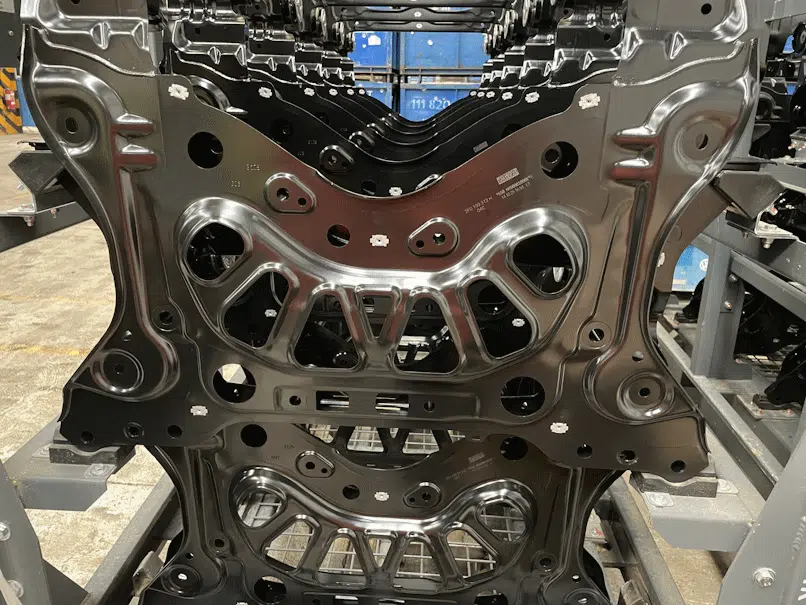
At an OEM in the automotive sector, the traceability of 1.20 m steel crossmembers coated with cataphoresis (KTL / e-coat) relied on an automatic labeling system integrated into the Body in White (BIW) production line.


While this solution, based on a dedicated machine, allowed parts to be identified, it generated several well-known challenges in a BIW environment, which is subject to dust, oil, and vibration constraints:

  • Label detachment during processes or transport,
  • Loss of traceability,
  • Non-conformities and rework,
  • Restart issues after line stoppages or maintenance interventions,
  • Dependence on consumables,
  • Supply difficulties (labels and ink) on the line


Overall system reliability therefore remained difficult to guarantee.


An Underestimated Total Cost


Beyond operational difficulties, the labeling solution had a high total cost of ownership.


Implementing the system required an initial investment of around €80,000, including:

  • An industrial printer
  • An automatic labeling system (often complex)
  • Connections with the line PLC
  • Verification equipment
  • Time and resources needed to fine-tune the process


Additionally, there were significant recurring costs:

  • Consumables (labels, ink)
  • Supply, storage, and handling operations
  • Regular maintenance of the solution, during operation and restarts
  • Management of non-conformities related to lost identification


These recurring indirect costs, combined with limited reliability, weighed on the overall line performance and were estimated at €20,000 per year.
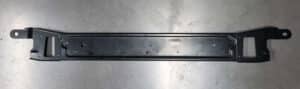
 

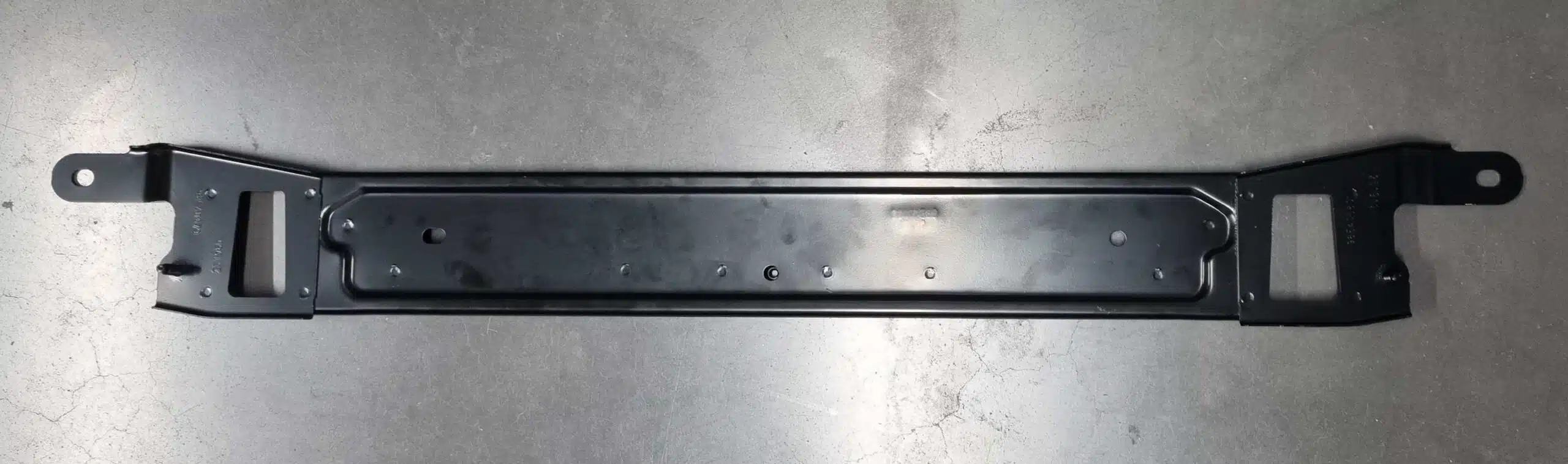
Blank KTL-coated crossmember


Industrial Objectives


This OEM had two main objectives:


  1. Reliability and traceability: ensure permanent marking directly on steel crossmembers coated with cataphoresis while maintaining the required corrosion resistance, eliminating the risk of losing critical data.
  2. Cost reduction and ROI: remove consumables and the maintenance associated with printers.


Constraints and Challenges


The project presented several major technical and industrial constraints:
 

  • Ensure laser safety without adding a dedicated enclosure
  • Preserve the KTL coating without functional alteration
  • Ensure durable traceability directly on the part
  • Maintain the production rate of 6 parts per minute
  • Operate reliably in a BIW environment exposed to dust, oil, and vibrations
  • Integrate into the existing production line without requiring modifications to the process, line organization, or communication protocol


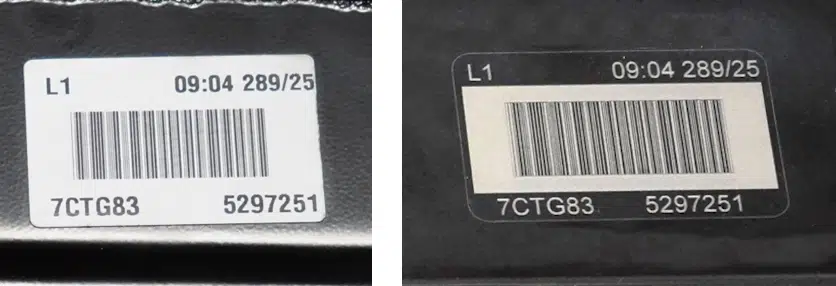
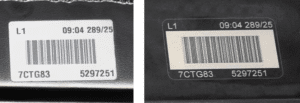
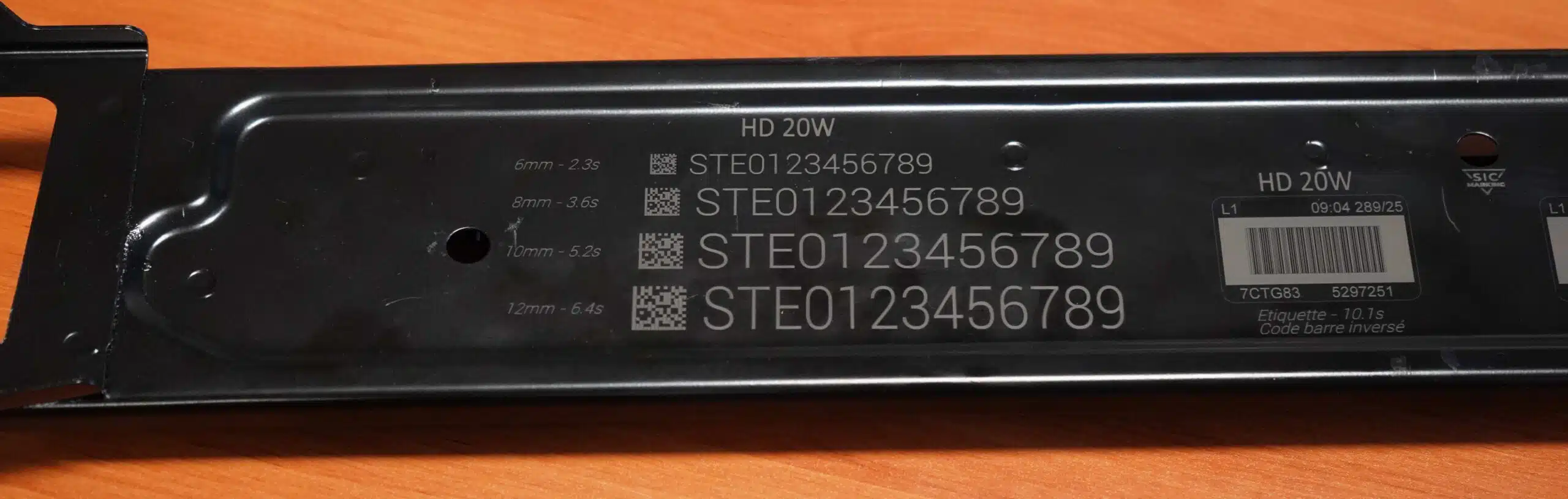
Before and after: initial label / final laser marking

Initial label / Final laser marking

SIC MARKING Solution


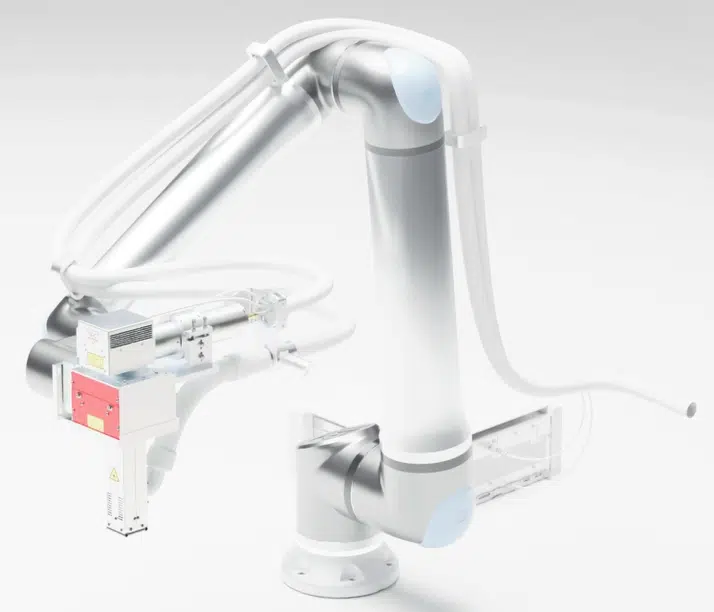
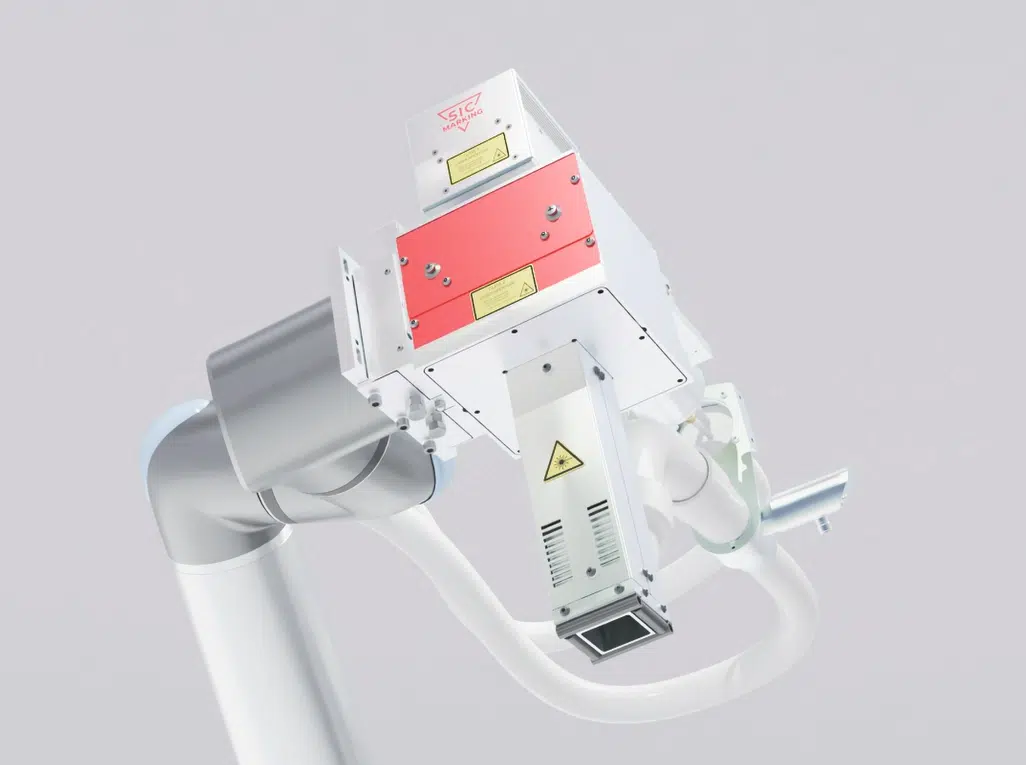
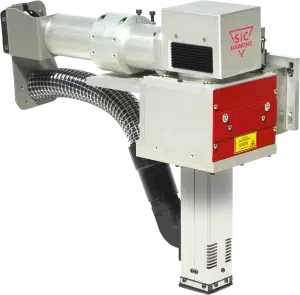
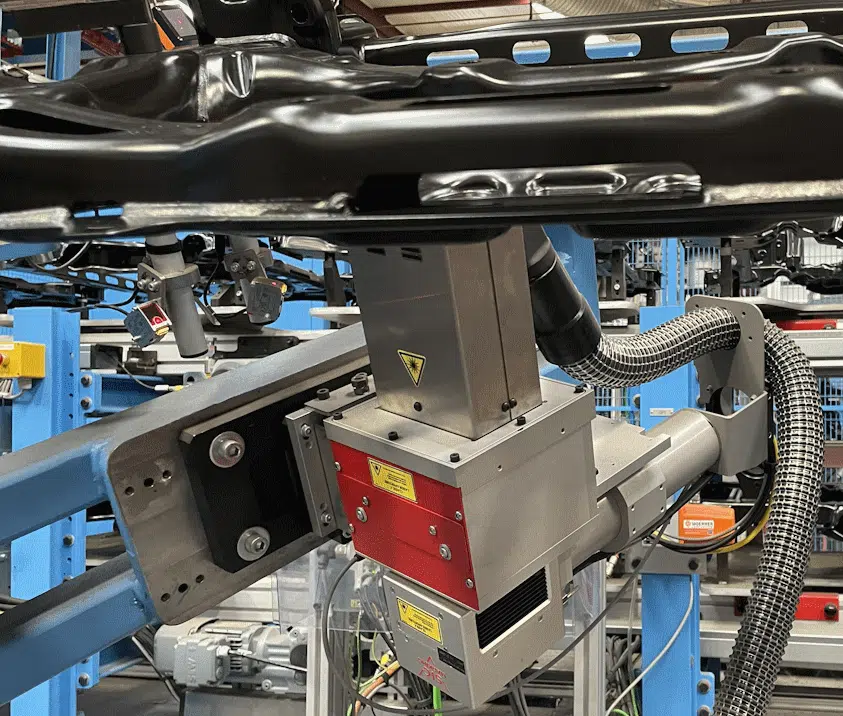
To meet these requirements, SIC Marking proposed its FIT laser marking solution, integrated directly on the Body in White production line.

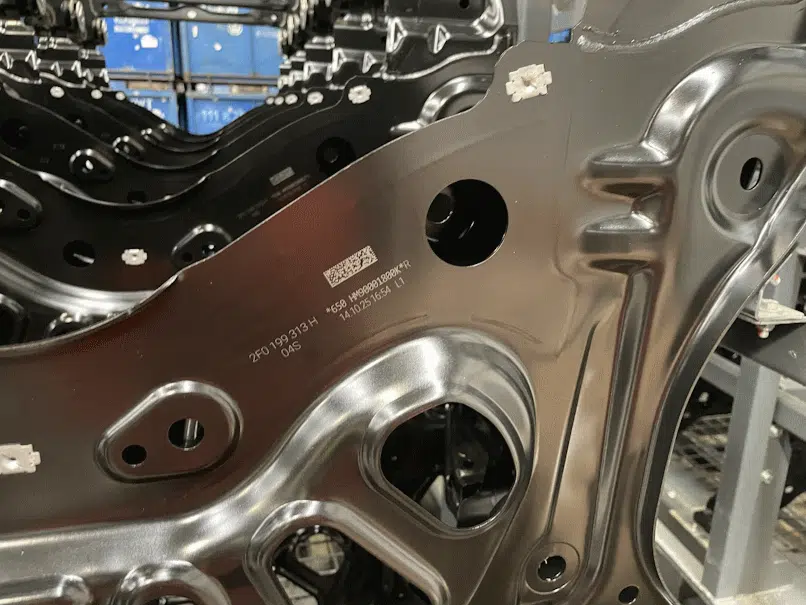
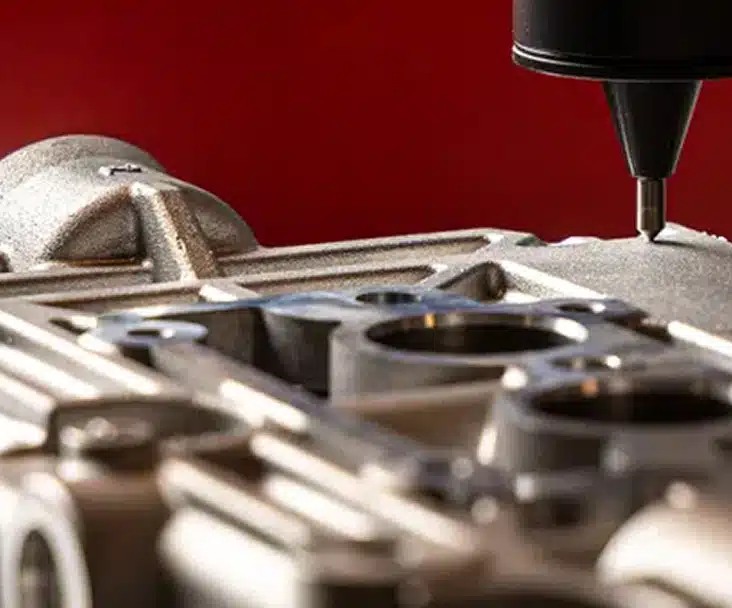
The marking is performed directly on the steel crossmember as a permanent, readable barcode.


Key Benefits of the FIT Solution:


  • Direct and permanent marking, with no risk of detachment
  • No consumables required, eliminating recurring identification costs
  • Preservation of the KTL/cataphoresis coating
  • Built-in safety, without the need for a dedicated enclosure
  • No contact or complex mechanism, resulting in almost no maintenance
  • Line stoppage and restart without maintenance of traceability equipment
  • Compatible with high production rates of 6 parts per minute


The laser solution fully replaces the printer and labeling system, while simplifying integration and maintenance.
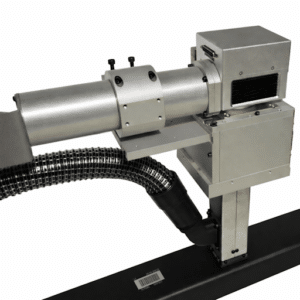
FIT laser marking on crossmember
 

Implementation on the Line


The project was deployed in several stages to ensure secure industrial integration:
 

  1. Preliminary testing on steel crossmembers to adjust laser parameters and guarantee barcode readability
  2. Marking validation ensuring barcode compliance, while preserving the protective e-coat without functional alteration
  3. Installation and integration of the FIT solution directly on the line, ensuring operator safety


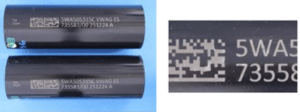
Salt spray test on FIT marking

Example result of a 500-hour salt spray test


Results Achieved


The benefits were immediate and measurable:

  • Reliable and permanent traceability across all crossmembers
  • Marking validated on cataphoresis / KTL without degradation
  • Total elimination of consumables (labels and ink), generating a direct annual savings of €20,000
  • Significant reduction in maintenance
  • Salt spray test passed, ensuring marking durability under industrial conditions and corrosion tests
  • Significant reduction of non-conformities caused by label detachment
  • Maintained production rate of 6 parts per minute without slowing down the line
  • Estimated return on investment in about 1.5 years


Conclusion


By replacing labeling with permanent laser marking, this manufacturer secured the traceability of its crossmembers in the Body in White environment, while reducing overall costs and preserving the existing production process.

The SIC Marking FIT solution demonstrates that it is possible to eliminate a label without impacting the line, while improving reliability, industrial performance, and compliance, with an ROI in approximately 1 year.
our solutions
Discover our products
Explore our key marking equipment for laser, micro-percussion, or scribing applications, including Portable Machines, Line-Integrable Modules, and Standalone Marking Stations.

Want to learn more?
Contact us!

+39 051 60 27 811
Contattaci info@sic-marking.it